Your Inspection, Explained
What Nupona Assesses
During Every Site Visit
Stormwater inspections aren't a checkbox exercise — they're engineering evaluations. Here is the structured scope our licensed PE covers on every inspection, so you know exactly what to expect when we arrive.
-
SCM Type Identification & Permit Verification
We confirm the stormwater control measure type on file — whether that's a wet pond, dry pond, bioretention cell, level spreader, or other permitted SCM — and cross-reference it against your permit documents and approved drainage plans. Discrepancies between the permitted design and field conditions are documented immediately.
-
Visual Condition Assessment
We visually assess accessible hardscape components including embankments, berms, inlet and outlet structures, rip rap aprons, spillways, and associated concrete or metal infrastructure. Observations focus on visible erosion, settlement, cracking, undermining, blockage, or deterioration affecting SCM performance. Assessment is limited to observable field conditions only.
-
Vegetation & Vegetated Buffer Condition
Vegetated SCMs and buffer zones are assessed for coverage density, invasive species encroachment, erosive bare spots, and whether plantings meet the approved species list. For wet ponds and bioretention cells, we evaluate aquatic and marginal planting health.
-
Forebay & Sediment Accumulation
We measure sediment depth relative to the designed storage volume. Forebay and main pool sediment loading directly affects detention capacity and pollutant removal efficiency. When accumulation reaches 50% of design storage, NC DEMLR standards require removal. We document current loading and projected maintenance timelines.
-
Inlet & Outlet Functionality
All inlets and outlets are inspected for blockage, debris accumulation, pipe alignment, and evidence of bypass flow. Outlet control structures including risers, trash racks, and orifices are visually assessed to confirm they are functioning as designed and are not undermined, corroded, or obstructed.
-
Drainage Area Integrity Review
We assess the contributing drainage area for unauthorized impervious surface additions, disturbed soils, or land use changes that may have altered the runoff volume or flow rate the SCM was designed to manage. Changes to impervious cover without permit amendment are a common NOV trigger in NC and SC.
-
Water Quality Indicators (Visual)
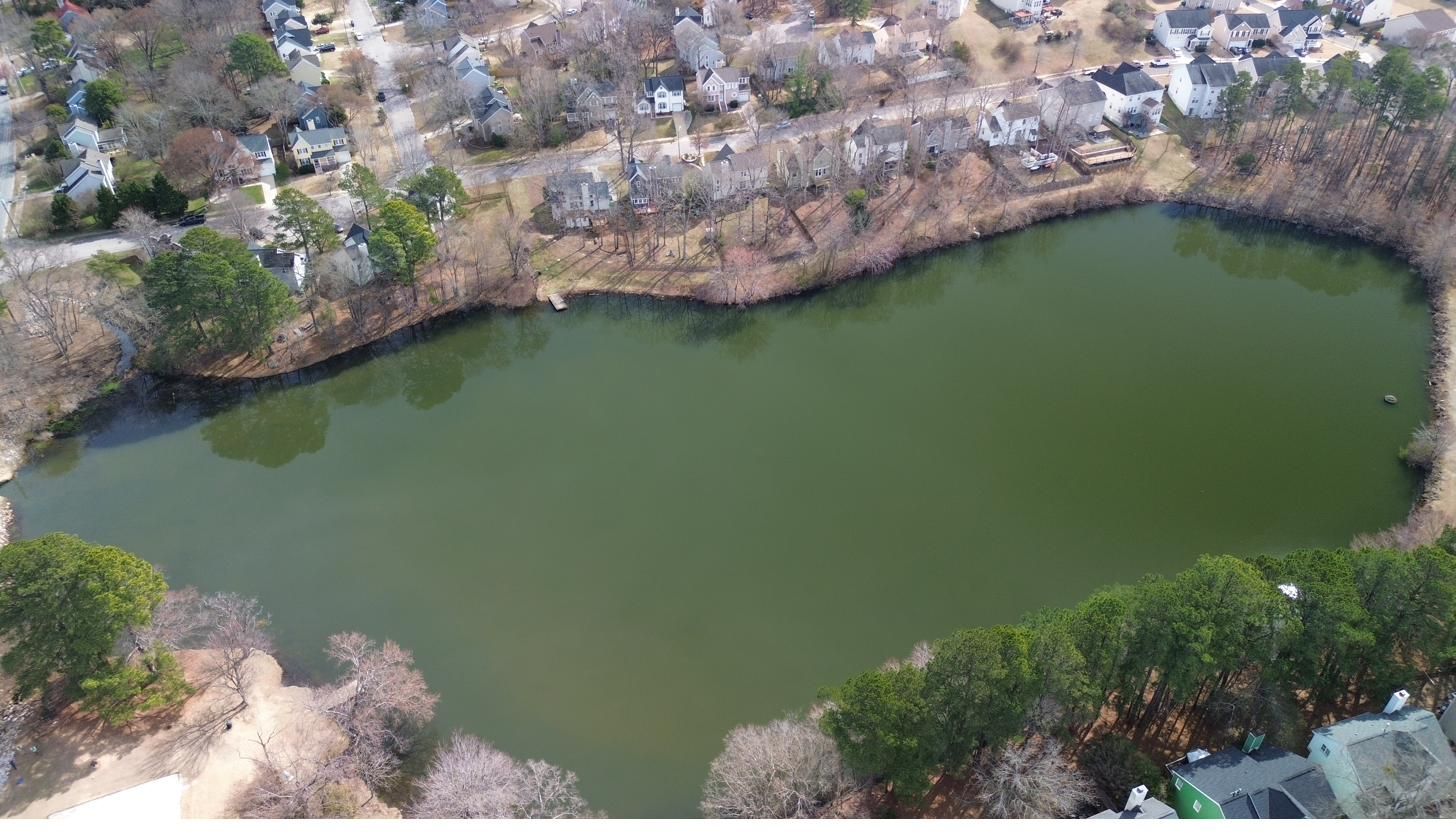
For wet detention systems, we document water surface appearance, including evidence of algal blooms, odor, turbidity, and surface films that may indicate nutrient loading or upstream contamination. While visual assessment does not replace laboratory analysis, these indicators inform maintenance priority and long-term SCM performance.
-
Compliance Documentation & Photographic Record
Every inspection includes a detailed photographic record cross referenced to permit required inspection items. We document current compliance status against applicable NC or SC stormwater program requirements and identify observed deficiencies with recommended corrective actions and maintenance considerations.
A Note on Engineering Standards All Nupona inspections are conducted by or under the direct supervision of a licensed Professional Engineer in the state of inspection. Inspection reports are prepared in accordance with NC DEMLR and applicable municipal stormwater program requirements and are suitable for submission to the permit-holding authority. We do not subcontract inspection fieldwork.
After Every Inspection
Your Deliverables
Here is what you receive following completion of the inspection and report preparation.
Signed PE Inspection Report
A professionally prepared engineering report documenting inspection findings, identified deficiencies, and compliance status for municipal submittal.
Photo Documentation
A complete photographic record organized by inspection item for property records, maintenance tracking, and permit documentation.
Deficiency Summary & Prioritization
Identified deficiencies are categorized by recommended maintenance, repair, or corrective action so you can clearly understand areas requiring attention.
Maintenance Recommendations
Practical maintenance guidance to address findings before conditions worsen and repairs become more costly.